6 Planning Considerations Before Installing a Boat Dock
Adding a new structure to your waterfront property is an exciting milestone that can transform the way you interact with the water. Whether you envision peaceful mornings with a cup of coffee watching the sunrise or lively afternoons filled with swimming and watersports, having a dedicated space on the water elevates the experience. However, jumping straight into construction without a solid plan can lead to unforeseen challenges and costly setbacks. A successful waterfront project requires careful forethought, strategic decision-making, and a comprehensive understanding of what the process entails from start to finish. When you decide to install a boat dock, you are making a significant enhancement to your lifestyle and property value. It is essential to approach this project systematically, taking into account all the variables that might influence the final outcome. Proper preparation ensures that your new addition will not only meet your immediate needs but also stand strong against the test of time and weather. By keeping a few crucial planning considerations in mind, you can streamline the entire journey and bring your ultimate waterfront vision to life with confidence.
1. Assessing Your Waterfront Property
Before any concrete plans can be drawn up, a thorough evaluation of your specific shoreline is absolutely necessary. Every body of water behaves differently, and the physical characteristics of your property will dictate what kind of structure is feasible. You must evaluate the depth of the water at various distances from the shore, as well as how the bottom drops off. Soft, muddy bottoms demand different support systems than solid, rocky beds. By understanding these geographical nuances, you can make informed decisions about the foundational requirements of your boat dock. Ignoring these natural elements can result in a structure that is unstable or poorly suited to its environment, so taking the time to map out the physical terrain is an indispensable first step in the planning phase. Furthermore, taking note of seasonal water level fluctuations will help you determine whether a stationary or floating structure makes the most sense for your shoreline.
2. Understanding Local Regulations and Permits
Navigating the legal landscape is often the most complex part of waterfront construction, yet it is arguably the most vital. Local municipalities, homeowner associations, and environmental agencies typically enforce strict guidelines regarding what can and cannot be built on the water. These rules often dictate the maximum length, width, and overall square footage of the structure, as well as how far it must sit from neighboring property lines. Obtaining the proper permits is not a step that can be bypassed, as failing to do so can result in hefty fines or an order to tear down the unapproved structure. You should begin the application process well in advance, as approval timelines can stretch out over several months. Planning your boat dock with these legal boundaries clearly mapped out ensures a smooth progression from the drawing board to the actual construction site. Staying compliant protects your investment and prevents frustrating legal battles down the road.
3. Choosing the Right Material and Design
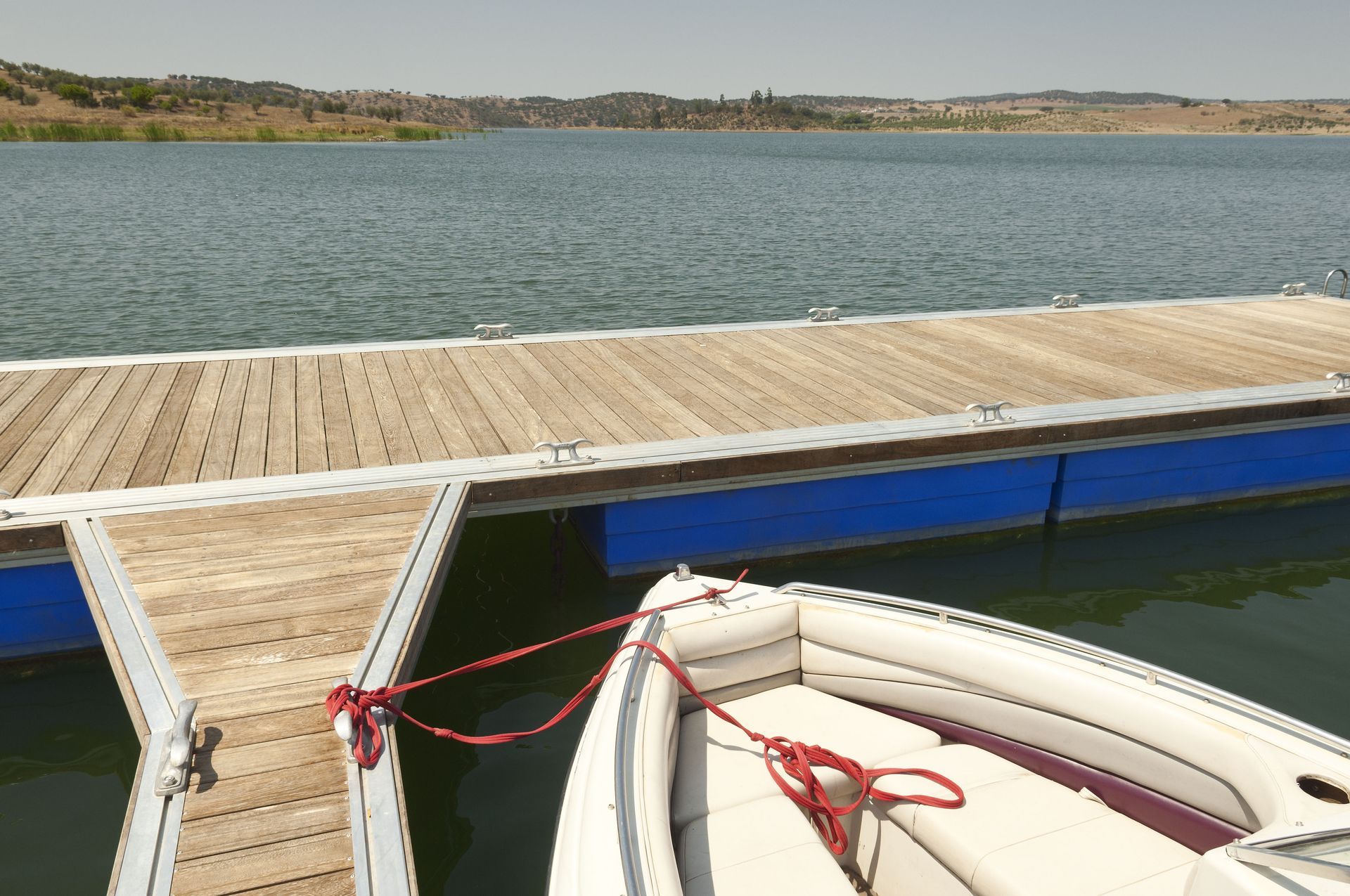
The longevity and functionality of your waterfront addition depend heavily on the materials you select and the overall design layout you choose to implement. You have a variety of options at your disposal, ranging from traditional pressure-treated wood to modern composite decking and aluminum frames. Wood offers a classic, natural aesthetic but demands consistent upkeep to prevent rot and splintering over time. Composites and aluminum provide excellent resistance to the elements with minimal maintenance required, though they often come with a higher initial price tag. As you finalize the blueprint for your boat dock, balancing your visual preferences with practical durability will result in a structure that perfectly complements your lifestyle while withstanding the harsh marine environment. Careful material selection will also dictate the overall weight and buoyancy requirements, which are critical factors for any structure built directly over a body of water.
4. Factoring in Maintenance and Longevity
Creating a stunning structure on the water is only the beginning of your journey; keeping it in pristine condition requires a commitment to ongoing maintenance. The marine environment is inherently harsh, subjecting materials to constant moisture, fluctuating temperatures, and ultraviolet radiation. When planning your project, you must consider how much time and energy you are willing to dedicate to upkeep. Routine tasks may include power washing, applying protective sealants, inspecting structural supports for rust or degradation, and checking fasteners to ensure they remain tight. Some designs, such as floating systems, may even need to be removed from the water during the off-season in colder climates. By proactively planning for the maintenance of your boat dock, you can select materials and structural styles that align with your willingness to perform upkeep. A well-maintained structure will last significantly longer, ensuring that your initial investment continues to pay dividends in enjoyment and functionality for many years to come.
5. Budgeting for the Construction Process
Financial preparation is a cornerstone of any successful property improvement project, and waterfront construction is certainly no exception. The costs associated with building on the water can vary wildly depending on the materials used, the complexity of the design, and the labor required to navigate difficult terrain. It is crucial to establish a realistic budget early in the planning process to guide your decisions and prevent unexpected financial strain. Your budget should account for not only the physical materials and labor but also the hidden costs of permits, environmental surveys, and potential site clearing. It is also wise to set aside a contingency fund to cover any unforeseen complications that may arise once construction begins. As you calculate the financial scope of your boat dock, remember that the market is substantial and growing. According to Market Data Forecast, the global docks market reached a valuation of $1.95 billion in 2025. This indicates a robust industry with plenty of options to suit various financial plans. Ensuring your finances are in order will make the entire process much less stressful.
6. Evaluating Environmental and Ecological Impacts
Responsible waterfront development requires a deep respect for the natural ecosystem that surrounds your property. The construction process and the final structure itself can have significant impacts on local wildlife, water quality, and shoreline stability. It is imperative to design your addition in a way that minimizes disruption to aquatic habitats. For instance, you should avoid shading out vital underwater vegetation that serves as a food source and nursery for local fish populations. Using materials that do not leach harmful chemicals into the water is another critical environmental consideration. Furthermore, you must ensure that your design does not alter natural water currents in a way that accelerates shoreline erosion. By prioritizing ecological harmony when planning your boat dock, you contribute to the overall health of the waterway, ensuring that it remains a beautiful and vibrant natural resource for future generations to enjoy. Sustainable practices not only protect the environment but often align with stringent local requirements.
Bringing a vision to life on your waterfront property requires patience, thorough research, and a clear understanding of your personal goals. By carefully evaluating your shoreline, navigating the permit process, selecting the appropriate materials, prioritizing environmental harmony, and budgeting wisely, you set the stage for a seamless and highly rewarding project. Each of these steps plays a vital role in ensuring that the final structure is safe, compliant, and perfectly tailored to your recreational needs. While the planning phase may seem demanding, the reward is a beautiful, functional space that enhances your outdoor living experience and provides countless hours of enjoyment on the water. When you are ready to take the next step and transform your waterfront property into a true oasis, professional guidance can make all the difference. Call Lake Anna Marine Construction today to learn more about starting your waterfront project.

Share On: